
What Rail Buyers Wish Suppliers Understood Before Launch
posted 12th May 2026
For many food and beverage brands, getting listed onboard trains feels like an exciting next step. Millions of passengers travel by rail every week, and operators are constantly refreshing menus to improve the onboard experience.
But according to Dave Tegg, who spent more than 8 years at Rail Gourmet, including over 4 years as Supply Chain Manager before joining TickEat this year, one of the biggest mistakes suppliers make is assuming rail works like any other retail channel.
We sat down with Dave to discuss what makes rail unique, what buyers are really looking for, and why some products succeed onboard while others quickly disappear.
Rail Is Operationally Complex And That Changes Everything
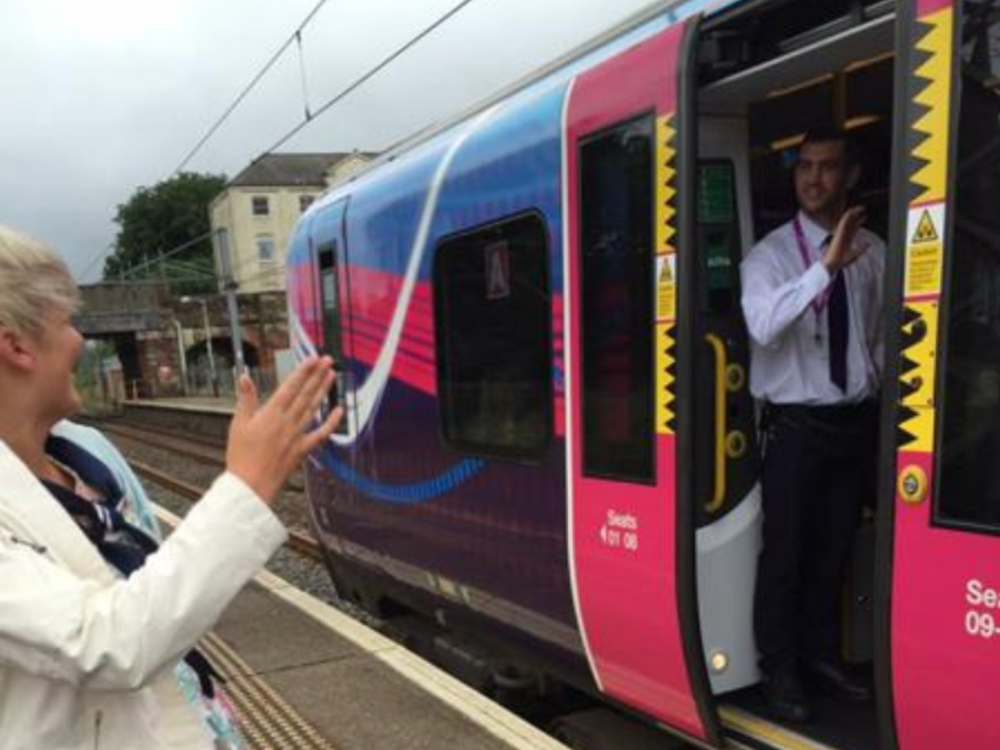
One of the first misconceptions Dave highlighted is that rail is simply a smaller version of supermarket or forecourt retail. In reality, rail catering operates under an entirely different set of constraints.
Unlike a supermarket, trains have:
- Limited storage space
- Strict trolley dimensions
- Long replenishment gaps
- Route-specific passenger behaviour
- Tight menu cycles
- Highly fragmented depot logistics
A product that performs brilliantly in Tesco can still fail completely onboard if it doesn’t fit operationally.
Dave Tegg:
“You need size-specific products, and usually specific shelf life requirements as well. Rail has totally different operational needs.”
Even something as simple as product height matters. A porridge pot that works perfectly in retail may not physically fit into an onboard trolley drawer. And once a train leaves the station, replenishment often isn’t possible.
Dave Tegg:
“If that product sells out in the first 10 minutes, you’re not getting more stock until the train reaches its final destination.”
That means smaller, more compact products often outperform larger formats because operators can carry more onboard.
Getting Listed Takes Longer Than Most Suppliers Expect
Another major misconception is timelines. Many suppliers entering rail assume listings move at standard retail speed, perhaps 4 to 8 weeks from first meeting to launch. In rail, the reality is often 4 to 9 months.
Why?
Because there are multiple moving parts:
- Menu review cycles
- Route planning
- Supply chain approvals
- Depot distribution considerations
- Operational testing
- Catering partner coordination
And importantly, many operators only refresh menus every six months. For suppliers used to faster moving retail channels, this can come as a surprise. Dave’s advice is simple: build patience into your expectations and treat rail as a long-term partnership opportunity rather than a quick listing win.
Shelf Life Is Far More Important Than Suppliers Realise
One of the biggest operational challenges onboard rail is unsold stock. Unlike a café or convenience store, products can travel hundreds of miles and may need to be removed, returned, or redistributed if unsold. That dramatically increases shelf-life requirements.
Dave Tegg:
“A lot of suppliers think 3 to 5 days shelf life is reasonable for fresh products, but in rail we’d really want 10 to 14 days.”
The longer the shelf life, the easier it is to lower the waste risk. This applies to ambient products too. Suppliers who proactively engineer products for a longer shelf life without compromising quality immediately become easier partners for buyers.
Depot Logistics Can Make Or Break A Listing
Many suppliers underestimate the complexity of rail depot distribution. Dave described working with networks containing multiple depots of varying sizes, some large enough to hold stock comfortably, others requiring constant replenishment.
And unlike traditional retail deliveries, volumes can be surprisingly small.
Dave Tegg:
“It’s not pallets and pallets going into every depot. It could just be three or four cases.”
That creates a very different supply model:
- Smaller, more frequent deliveries
- Higher responsiveness expectations
- Greater operational flexibility
- Faster issue resolution requirements
If a supplier misses a delivery window, trains may simply leave without stock onboard.
Products Need To Work All Day Not Just At Breakfast
Another reason products underperform onboard is timing. A product designed exclusively for breakfast may only have a two-hour sales window. Trolley space onboard is incredibly limited. Operators need products that can sell throughout the journey and throughout the day.
Dave Tegg:
“If you’ve got a breakfast product, you might only have a small window to sell it. But it still takes up trolley space all day.”
That’s why versatile products, snacks, beverages, and treats that work across multiple dayparts often perform best.
Passenger Behaviour Changes Dramatically By Route
One fascinating insight Dave shared is how different rail routes create completely different buying behaviours.
For example:
- Commuters often want quick, affordable coffee and snacks
- Leisure passengers may trade up to indulgent treats or premium drinks
- Weekend party routes can significantly over-index on alcohol sales
- Regional routes often respond well to local products and flavours
Dave Tegg:
“If you’re local to the route, you’ve got a much higher chance of getting listed.”
Many operators actively look for local products that create a stronger connection with passengers travelling through those regions.
Sustainability And Allergens Now Drive Buying Decisions
Buyer expectations in rail have evolved significantly in recent years.
According to Dave, modern buyers are heavily focused on:
- Sustainability
- Allergen accessibility
- Vegan and plant-based options
- Health-conscious ranges
And importantly, social media feedback now plays a real role in menu development. Dave shared that customer demand for vegan and lactose-free options directly influenced menu decisions during his buying career.
Dave Tegg:
“Sometimes we just ask customers what they want to see onboard and that feedback genuinely shapes the menu.”
For suppliers, this means strong sustainability credentials and clear allergen transparency are no longer optional. They’re essential.
One Small Mistake Can Kill A Listing
Rail is highly operationally sensitive. Passenger safety is paramount, labelling errors can quickly result in delisting.
Dave Tegg:
“If there’s an allergen issue, nine times out of ten that product comes off immediately.”
Even excellent products can lose long-term opportunities because of avoidable compliance mistakes. This is why buyers place huge value on clean specification sheets and accurate allergen information.
What Makes Suppliers Easy To Work With?
From a buyer’s perspective, Dave said the best suppliers all share one thing: simply being proactive, communicative, and solutions-focused.
Dave Tegg:
“Treat your onboard listing like a partnership.”
The suppliers who succeed:
- Check in after launch
- Support onboard promotion - ex. share on your company socials about the listing
- Help solve operational problems quickly
- Stay engaged with the operator
Because ultimately, if a product doesn’t sell, it won’t stay onboard.
The Brands Dave Still Remembers
When asked which suppliers stood out during his buying career, Dave immediately mentioned Barista Cup, a brand he first discovered through TickEat’s Meet the Buyer event. Their innovative, fresh-ground coffee solution replaced instant coffee onboard and retained a listing for more than two years, unusually long for rail catering.
Dave Tegg:
“Most products get 6 to 12 months. They kept their listing for over 2 years.”
Another success story was Masons of York, who successfully expanded from spirits into ready-to-drink formats onboard. The common thread? They understood the operational realities of rail.

Dave’s Advice For Suppliers Pitching Rail For The First Time
Before approaching rail buyers, Dave recommends suppliers do three things.
1. Ride The Trains
Observe passengers, watch what sells, and speak to onboard hosts. The onboard teams often understand passenger behaviour better than anyone.
2. Research The Catering Structure
The rail operator isn’t always the actual buyer. Many operators work with catering partners such as Rail Gourmet and Gate Gourmet. Understanding who actually manages procurement is critical.
3. Think Regionally
If your brand has a strong local connection to a route, lean into it. Regional products often resonate strongly with operators and passengers alike.
Want To Meet Rail Buyers Face-To-Face?
If you’re serious about launching into rail, there’s no substitute for speaking directly with buyers and catering operators.
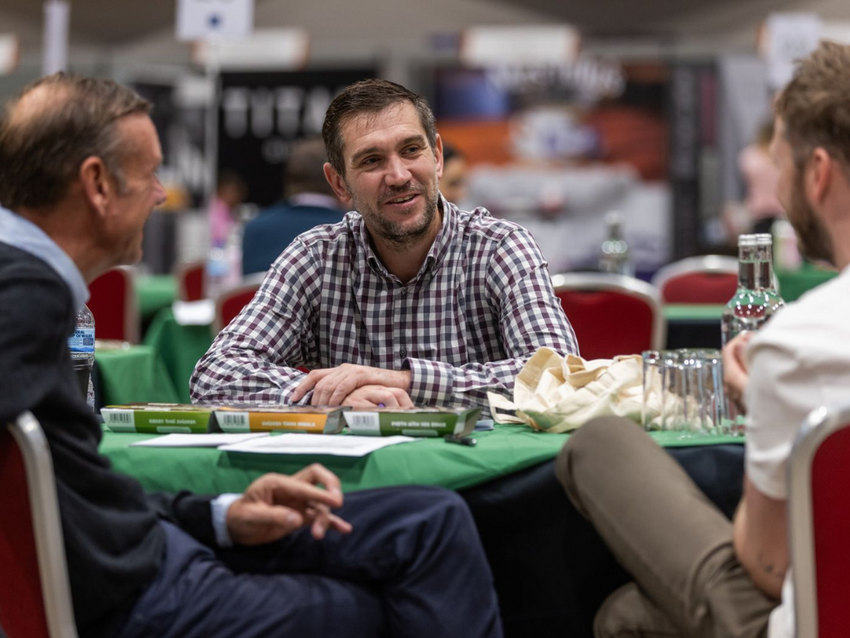
Before joining TickEat this year, Dave himself attended TickEat’s Meet the Buyer events from the buyer side of the table. Now he’s helping suppliers better understand the industry from the other side.
If you’d like to connect directly with rail buyers and decision makers, join us at our upcoming Dinner With Buyers -Train Buyer or our flagship Meet the Buyer event.